 Aqua AI
Quick Care Facts
- Water Type
- Freshwater
- Minimum Tank Size
- 10 gallons
- Care Level
- Easy
- Temperament
- Carnivorous scavenger
- Temperature Range
- 70–80°F (21–27°C)
- pH Range
- 7.0–8.0
- Adult Size
- 1 inch (2.5 cm)
- Diet
- Other pest snails, protein wafers, bloodworms, and meaty sinking pellets
Overview & Characteristics
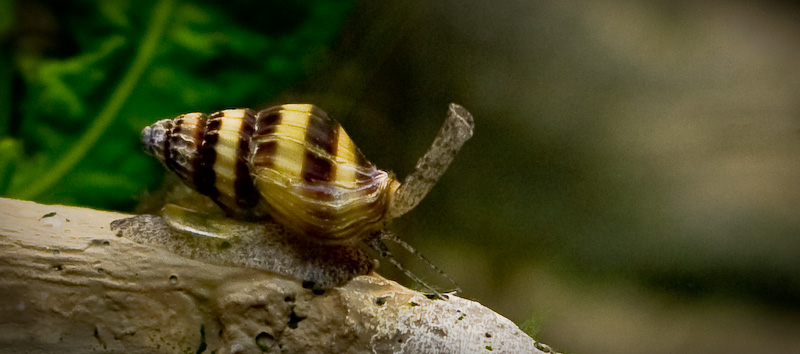
A predatory freshwater snail widely utilized by aquarists for biological control of pest snails like ramshorn and bladder snails.
Water Parameters & Environment
Stable water parameters are critical for long-term health. Avoid rapid fluctuations in temperature and pH when performing routine water changes.
- Temperature: 70–80°F (21–27°C)
- pH Range: 7.0–8.0
- Water Type: Freshwater
- Minimum Volume: 10 gallons
Evaluate whether your current aquarium chemistry matches these thresholds with our free Water Parameter Safety Checker or calculate water replacement with the Water Change Calculator.
Diet & Tank Mates
Dietary Needs: Other pest snails, protein wafers, bloodworms, and meaty sinking pellets
Compatibility: Safe with shrimp and fish, but will hunt all smaller snails.
Temperament: Carnivorous scavenger.
Health & Sensitivities
Prefers soft sandy substrate for burying; sensitive to high nitrates and copper.
Photographing this species for tank logs or identification? Read our step-by-step Fish Photography Guide and learn how to document water parameters in Aquarium Water Test Notes.
Have this species in your aquarium?
Use Aqua AI to scan your tank, check compatibility, and record your water parameters over time.
Frequently Asked Questions
What water parameters does Assassin snail require?
Assassin snail thrives in a temperature range of 70–80°F (21–27°C) with a pH of 7.0–8.0 in a Freshwater environment. Maintain stable water chemistry and test regularly.
Is Assassin snail suitable for a community aquarium?
Safe with shrimp and fish, but will hunt all smaller snails.
Editorial methodology
Aqua AI species profiles are compiled from canonical database records, taxonomy standards, and verified captive husbandry guidelines. Captive water ranges represent general baseline parameters; always observe livestock behavior and perform regular water tests.